
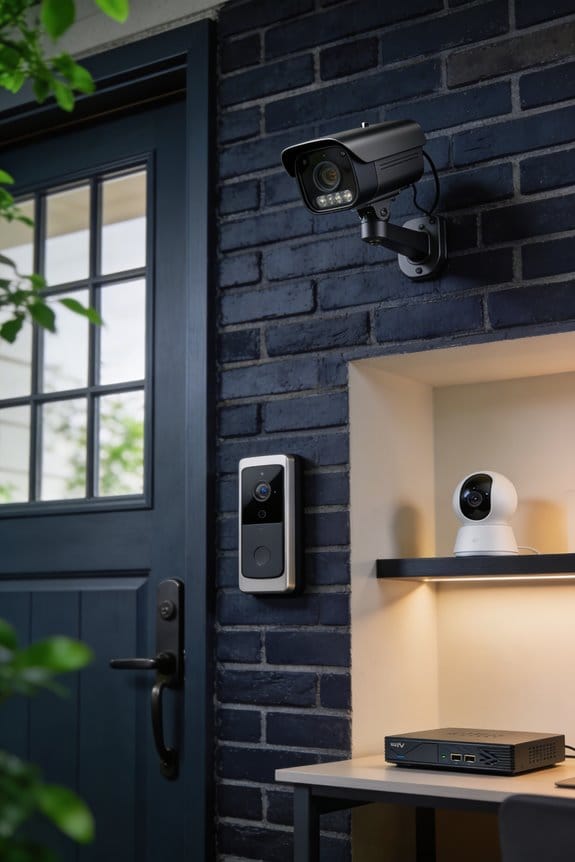

I’ve observed that fleet security technology adoption has surged because cybercriminals now compromise systems within 18 minutes, making manual monitoring obsolete. Modern solutions include AI-powered anomaly detection, automated endpoint isolation, continuous vulnerability scanning, GPS tracking with geofencing alerts, and video telematics that document incidents in real-time. These integrated systems reduce theft costs by 15-30%, lower insurance premiums by 15-25%, and prevent the average $200,000 theft incident while addressing GPS spoofing, credential theft, and carrier impersonation tactics that criminals employ against high-value cargo shipments. The sections below explain how each component works together to protect your fleet operations.
Key Takeaways
- Nearly half of fleets now adopt video telematics and GPS tracking as primary theft deterrence technology for cargo protection.
- Real-time anomaly detection and automated defense systems respond to threats within minutes, replacing ineffective manual monitoring approaches.
- GPS tracking and video telematics reduce insurance premiums by 15-25% while providing verifiable proof of security compliance.
- Technology adoption delivers 15-30% cost savings through theft prevention, with integrated systems reducing accident costs by 48%.
- AI-powered monitoring analyzes millions of data points to detect GPS spoofing, credential theft, and unauthorized access immediately.
Why 18-Minute Breach Windows Made Manual Fleet Security Obsolete

When cybercriminals are moving in just 18 minutes, it’s a wake-up call for anyone running a fleet. This isn’t just an abstract concern; it’s about real threat timelines that have made manual security monitoring nearly useless. Think about it: your dispatch systems, telematics, load boards, and GPS networks are all linked together. If one gets compromised, it’s like opening the door for hackers to roam freely through your operation.
So, what does this mean for you? Traditional ways of handling security—like reviewing logs once in a while, doing audits at set times, or waiting for office hours to investigate alerts—can’t keep up with how fast attackers can act. You’re dealing with a situation where every second counts.
Try this: instead of relying on those outdated manual processes, look into automation for your security measures. With real-time systems in place, you can catch strange login attempts, odd data access requests, or unauthorized queries almost instantly. This isn’t just cool tech—it’s essential for staying ahead of security threats.
Frankly, not having active monitoring is risky. Ask yourself, how can you afford to wait hours or even days to find out something’s wrong? The best part is that implementing an automated system can help you avoid that pitfall, letting you focus on running your fleet without constantly worrying about security breaches.
In short, moving toward automation isn’t just smart; it’s necessary for keeping your operations secure. Are you ready to take that step?
What Fleet Security Technology Stops Modern Cyber Threats?

Today’s cyber threats are no joke—just ask any fleet manager who’s felt the sting of a breach. Relying on old-school security measures isn’t gonna cut it anymore. What you really need is a mix of smart tech that layers protection throughout your operations.
So, what should you focus on? Here are three must-have components that work together to keep your fleet safe:
- Real-time anomaly detection: You want systems that catch odd login behaviors within seconds. Think of it as having a security guard on call, ready to stop someone suspicious from barging in.
- Automated defenses: These should kick in immediately to isolate any compromised endpoints, which is crucial. The last thing you want is for a threat to spread like wildfire throughout your system.
- Continuous vulnerability scanning: Make sure this covers everything from your dispatch platforms to telematics devices. It’s all about staying one step ahead of the bad guys.
The best part? AI-powered tools can sift through millions of data points every hour, spotting attempts at credential theft or GPS spoofing before anything serious happens. Imagine having something on the lookout for those sneaky attacks, ready to kick in and shut things down the moment a threat appears.
Honestly, you can’t rely on manual methods in this fast-paced digital environment. Automated defenses can take immediate action to block unauthorized access and quarantine any infected machines. It’s a lifesaver when threats can pop up in the blink of an eye.
So, what’s my takeaway for you? Having a solid fleet security tech setup today means combining all these elements. With the right tools in place, you’re better equipped to tackle the challenges that come with modern cyber threats.
Are you ready to elevate your fleet’s security game?
How GPS Spoofing and Stolen Credentials Enable Cargo Theft

Ever had a shipment go missing and wondered how it happened? GPS spoofing is becoming a real issue, and it’s helping thieves pull off unbelievable heists. These criminals can manipulate location data in real-time, making it look like everything’s fine on your tracking systems—even when things have gone completely off course.
You might be shocked to learn that many thefts start with something simple: credential theft. Thieves often gather login information weeks in advance, sneaking in unnoticed while they study your shipment schedules and security measures. This digital sleight of hand can trick you into thinking everything’s secure, while they’re plotting to divert your freight. So, the question is, how can you protect yourself?
Try strengthening your digital security measures. Here are a few ideas to consider:
- Regularly update passwords and use two-factor authentication.
- Monitor your accounts closely for unauthorized logins.
- Train staff to recognize phishing attempts.
Truth is, without solid defenses, you’re just setting the stage for these criminals. They often use carrier impersonation tactics, which means they can manipulate load documents and tracking records completely. You’re not dealing with just some random thieves; it’s a calculated effort from individuals who have scouted your operation and found weak spots to exploit.
So, what do you do? The best part is, by putting stronger safeguards in place now, you can make it much harder for thieves to execute their plans. Keep your digital infrastructure secure and stay alert to signs of tampering.
Recommended Products

【7 professional modes】A brilliant, camera detector spy camera finder. Say goodbye to complicated buttons. Precise hidden device detection ensures illegal devices have nowhere to hide, protecting your privacy during travel. Wide-range LED scanning provides thorough coverage, ensuring no cameras, GPS tracker, or RF bugs are missed in any corner. Professional devices for enhanced privacy and security.

【Multiple detection modes】A brilliant, bug detector & camera finder. Say goodbye to complicated buttons. It can be used to find hidden spy cameras, car trackers , listening device , etc.

Professional Hidden Camera & RF Signal Detector – Designed to help identify suspicious electronic devices, this hidden camera detector and RF detector works as a reliable camera detector and camera finder for personal privacy awareness in hotels, offices, vehicles, and travel environments.
How Video Telematics and GPS Tracking Prevent Theft in Real Time
Have you ever thought about how vulnerable your fleet might be without video telematics and GPS tracking? It’s a real concern, especially since thieves are always on the lookout for easy targets. When you combine video monitoring with GPS, you create a solid barrier against cargo theft. This is especially critical during those high-risk transit periods when criminals go after valuable shipments.
With these systems in place, you get real-time alerts whenever drivers stray from approved routes, make unexpected stops, or exhibit suspicious behavior. Did you know that nearly half of fleets have adopted video telematics? That’s a clear sign that the industry sees the value in this tech, and 74% of those fleets have reported better driver safety due to continuous monitoring.
Geofencing is also a handy feature. It instantly notifies you if a vehicle crosses set boundaries, letting you act fast to stop a theft before it’s too late. It’s all about staying one step ahead of those who might want to take advantage of your fleet.
The best part? This tech isn’t just about preventing theft but also enhancing overall safety for your drivers. So, why does this matter? It means you can protect your assets and improve your team’s working conditions.
In the end, combining video telematics and GPS tracking isn’t just smart; it’s necessary. Have you considered how these tools could change the way you manage your fleet?
Recommended Products

COMBINES 2x 5G/LTE + 2x Wi-Fi + 1x GPS/GNSS antennas into a single compact streamlined durable weatherproof enclosure

PROTECT YOUR CAR, TRUCK, OR VAN FROM THEFT: Find and track your vehicle wherever it goes. Nationwide coverage. Renting your car out? Send your renters a temporary link to locate and unlock the vehicle. Feel safe knowing where your car is at any time. TrackmateGPS Dash T11 is designed for commercial fleets and single use vehicles.

HIDDEN GPS TRACKER WITH LONG BATTERY LIFE: The Oyster3 lasts up to 10 years with once daily alerts on 3 AA lithium batteries(included) with adaptive real-time tracking. 7 years with movement detection, and 2.8 years for daily 2-hour driving. Features low-battery alerts, recovery mode, and multi-GNSS precision sattelite tracking (GPS, GLONASS, Galileo, BeiDou) for vehicles, trailers, boats, and fleets.
Which High-Value Cargo Types Need Enhanced Security Measures?
Theft rings have a knack for targeting certain cargo, and it’s not just a random choice. They know which items are quick to flip for cash and hard to trace. If you’re transporting certain types of goods, your fleet might be more at risk than you think.
Food and Beverage Shipments
Food and drinks are at the top of the hit list, particularly alcohol and premium meats. Believe it or not, this industry suffers a staggering $18 million in losses every single day. If you’re handling these items, consider implementing tools like geofencing alerts and keeping an eye on GPS tracking throughout the journey. It can truly make a difference.
Electronics and Metals
When it comes to high-value electronics, layered security is key. Think about combining video telematics with real-time tracking. Organized theft rings love to target these shipments because of their high resale value, often working in low-risk areas to minimize their chances of getting caught. So, investing in multiple security measures is smart.
You should also keep seasonal vulnerabilities in mind. This is especially crucial during peak shipping times when popular items are moving faster than usual. With the high demand, the chances of theft increase significantly.
So, consider boosting your security during these busy windows. It’s worth the effort, right?
To sum it up, food, beverages, electronics, and metals need extra attention when it comes to security. By being proactive, you can help protect your cargo from theft rings. What steps are you taking to safeguard the most valuable items in your fleet?
Recommended Products

6-inch touchscreen offers a bright, crisp, high-resolution display for easy in-cab viewing

6” touchscreen truck navigator offers a bright, crisp high-resolution display

Large 2.6” sunlight-readable color display for easy viewing
What ROI Can Fleets Expect From Integrated Security Systems?
What ROI Can Fleets Expect From Integrated Security Systems?
Have you ever thought about how much theft or accidents could cost your fleet? It’s a headache to think about, but here’s the good news: investing in integrated security systems can really help. Many fleets are seeing their costs drop significantly within just a year or so.
Combining technology like GPS tracking, video telematics, and AI monitoring can lead to cost savings of 15% to 30%. This comes from fewer thefts, lower insurance rates, and less money spent on accidents. Let’s put it in perspective: if a single theft incident costs an average of $200,000, but you only spend $50 to $150 a month per vehicle on security, the system pays for itself after preventing just one big loss. Sounds worthwhile, right?
Moreover, some fleets are reporting stunning reductions in accident costs—48% less, to be exact. Plus, they’ve seen improvements of 64% when it comes to handling false claims. So, why does this matter? Well, thorough security systems don’t just prevent theft; they also help you save on insurance bills, legal fees, and improve your operations overall.
To sum it up, an integrated security investment isn’t just about protecting your fleet from theft; it’s smart budgeting. Are you ready to consider a smarter approach to fleet security?
Recommended Products

ENGAGING HYBRID COLLABORATION - NOW IN 4K. The Meeting Owl 4+ is an all-in-one video conferencing device that captures 360° video in 4K and 360° audio up to 18’ (5.5m). Automatically focuses on whoever is speaking to foster active collaboration and increased participation while showing a 360° view of the room.

[Superior Storage and Fast Access] Up to 64GB high-bandwidth RAM enables seamless multitasking across multiple applications and browser tabs, while an up to 2TB PCIe NVMe M.2 solid-state drive delivers lightning-fast bootups and rapid data transfers.
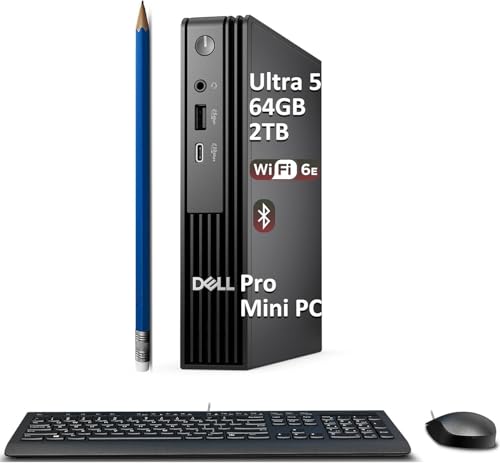
TINY YET POWERFUL — The Dell Pro Micro is the AI enhanced evolution of the OptiPlex 7000, delivering efficient performance in an extremely small design. Weighing just 2.56 lbs, it is 1/4 the weight of its SFF version and 96% smaller than a traditional desktop, allowing it to fit where larger PCs cannot and helping save valuable workspace. Built for reliability, all Dell Pro desktops are tested to military grade standards to adapt to a wide range of office environments.
How Insurance and Compliance Rules Shape Fleet Security Choices
When it comes to managing your fleet, are you aware of the impact insurance companies have on your security choices? It’s a big deal, and they’re paying close attention to the security technology you’ve got in place, the compliance standards you’re meeting, and how well you protect high-value cargo.
You might be surprised to learn that just adding GPS tracking and video telematics can make a significant difference. I’ve seen fleets reduce their premiums by 15-25% when these technologies align with insurance requirements for real-time monitoring and incident documentation. Truth is, the savings can really add up.
You need to remember that compliance isn’t just about following carrier regulations anymore. Insurers want verifiable proof of your security measures before agreeing to underwrite high-value loads. This means having electronic records of things like geofencing capabilities, tracking driver behavior, and solid cargo security practices.
So, how do you ensure you meet these demands?
- Implement GPS tracking
- Use video telematics
- Document your security protocols
The best part? When your tracking systems and insurer portals integrate, they provide instant verification of your security measures. This connection can directly affect your coverage terms, deductibles, and how quickly claims are processed if theft or damage does occur.
In the end, taking these steps not only helps keep your fleet safe, but it can also save you money on insurance costs. Have you considered how streamlined your security setup is? Making these updates might be easier than you think.
Frequently Asked Questions
How Do Criminals Identify Which Specific Loads to Target Before Theft?
I’ve observed criminals use cargo profiling to analyze shipping schedules, manifests, and route patterns. They exploit theft patterns by monitoring loading docks, tracking high-value seasonal shipments, and accessing compromised dispatch systems to identify vulnerable loads worth targeting.
What Driver Training Prevents Insider Collaboration With Organized Theft Rings?
I’ve seen behavioral training work wonders—teaching drivers to recognize recruitment tactics and report suspicious approaches. Building strong company loyalty through respect and fair compensation naturally reduces insider threats by addressing the driver psychology behind betrayal.
Can Small Fleets Afford the Same Security Technology as Large Carriers?
Yes, I’ve found small fleets can afford similar security technology through scalable solutions and subscription models. My cost analysis shows technology accessibility has improved dramatically, with entry-level GPS tracking and AI monitoring starting under $30 monthly per vehicle.
Which Security Measures Work Best for Overnight Parking Lot Protection?
I’d recommend combining video surveillance with perimeter fencing for overnight parking lots. The video telematics creates visual deterrence while documenting incidents, and fencing limits unauthorized access points. Together, they’ve proven most effective at reducing theft opportunities during vulnerable overnight hours.
How Quickly Can Stolen Cargo Be Recovered Using Integrated Tracking Systems?
I’ve found that integrated real-time tracking enables cargo recovery within minutes of detecting theft. You’ll get instant alerts when unauthorized movement occurs, allowing law enforcement to intercept stolen loads before criminals reach their destination or transfer points.


