

I’ll tell you that sharing crime footage on neighborhood apps raises significant ethical concerns, including racial bias amplification, since Black suspects appear 138% more than arrest rates suggest, misinformation spread reaching millions before fact-checkers intervene, investigation compromise when suspects are alerted to evidence, and secondary trauma from graphic content lacking traditional media’s warning systems. While 76% of law enforcement uses social media for intelligence operations, crowdsourced tips often generate false leads that consume investigative resources, and platforms lack rigorous vetting processes. Understanding these complexities helps you navigate responsible community engagement.
Key Takeaways
- Sharing unverified crime footage can compromise ongoing investigations by alerting suspects and enabling evidence destruction.
- Graphic crime videos cause secondary trauma, including anxiety and intrusive thoughts, without traditional media’s contextual warnings.
- Neighborhood apps lack rigorous vetting processes, allowing misinformation to spread rapidly and generate false leads for police.
- Crime posts overrepresent Black suspects by 138%, perpetuating racial bias and distorting public perceptions of criminal activity.
- Ethical sharing requires verifying sources, considering psychological impact, and avoiding content that reinforces demographic profiling or stereotypes.
How Law Enforcement Uses Social Media as Criminal Evidence
When investigators show up at a crime scene these days, they’re not just looking for fingerprints or weapons. They’re also on the hunt for digital clues hidden in social media. Did you know that about 76% of law enforcement agencies are tapping into these platforms for crime tips? That’s a big deal when you think about it. On top of that, 70% are using social media for intelligence operations.
So, why does this matter? Digital evidence from posts, messages, photos, and videos can be crucial in court. In fact, between 2011 and 2014, nearly half of gang-related felony cases mentioned social media. That’s a striking figure that highlights how integral our online presence has become in criminal investigations.
Here’s the trick: investigators can use location-based analytics to keep tabs on real-time activity, especially during high-crime events. They can piece together a suspect’s activities, communications, and whereabouts all through their social media interactions. The best part is that this approach is changing how cases are built and prosecuted, making it harder for criminals to hide.
In short, the way law enforcement is using social media is not only innovative but increasingly necessary. The next time you’re posting online, consider what information you might be sharing. Is it something you’d be okay with law enforcement seeing?
Recommended Products

Backlit Interface - Device status, device information, logical unit (LUN) select, and bridge information are easily accessible

Natively images USB 3.0, SATA, and IDE/PATA storage devices.
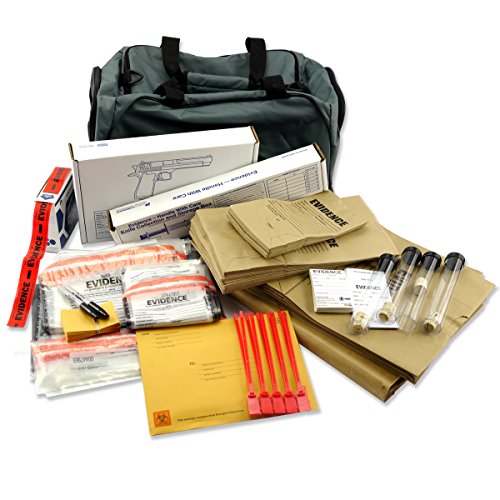
Sturdy black expandable bag
Why Crime Posts Spread Faster Than Fact-Checkers Can Verify

How fast does misinformation travel these days? In crime reporting, it’s like a race where the bad info wins every time. Just think about it: an unverified post can hit millions of eyes in a matter of hours, while fact-checkers are often left scrambling for days to get the truth out. This pressure to publish immediately—not to mention the endless cycle of 24-hour news—is making mistakes more likely because it skips over the usual editorial checks we used to trust.
When you see crime-related content popping up on neighborhood apps, there’s a good chance you’re jumping into a buzz where community chatter outpaces fact-checking. It’s shocking, but about half of U.S. adults discover local crime info via social media now. Unfortunately, platforms like these don’t have the same vetting processes that established news outlets do. So, what does that mean for you?
Here’s the trick: be cautious about what you share. Crowdsourced efforts to solve crimes can seem like a way to get involved, but they often lead to false leads. These mistakes can waste valuable investigative resources and can even jeopardize ongoing cases.
So, what can you do? Instead of sharing automatically when you see a crime post, take a moment to verify the information first. Check with reliable news sources or local authorities.
Truth is, being mindful about the information you spread not only helps keep your community informed but also protects those working hard to solve crimes. Remember, staying informed is great, but sharing the right info is even better. How do you ensure the news you share is accurate?
The 138% Overrepresentation of Black Suspects in Crime Posts

Have you ever scrolled through your newsfeed and noticed a pattern in the crime posts from local law enforcement? If you’re like many people, you might see Black suspects featured way more often than you’d expect based on actual arrest rates. In fact, it turns out these posts show Black suspects appearing 138 percent more than their fair share according to arrest data. This can really distort how we think about crime in our communities.
So, what’s behind this skewed representation? It’s mainly due to multiple police agencies sharing the same stories, and then users spreading those posts even further. When you start connecting the dots, it’s clear: social media amplifies these representations, which leads to a very misleading picture of who’s committing crimes. To put this into perspective, Black arrest rates are around 18 percent on average across the country. This disparity is not just concerning—it’s alarming.
You might wonder, “Why does this really matter?” The reality is that these posts can influence public perception significantly. When so many people see these biased narratives as factual, they can shape our views and opinions on crime in a way that doesn’t reflect reality. Hawaii and the Black Belt in the South are the only exceptions to this trend, but for the rest of the country, it’s important to be mindful of what we’re consuming online.
Truth is, understanding the broader context behind these social media posts can foster a more informed community. Be skeptical of what you see online. When you come across crime posts, ask yourself whether they really paint a complete picture.
In the end, it’s about creating awareness and discerning fact from fiction. So the next time you’re browsing through social media, remember there’s more to the story than what meets the eye. How can you contribute to a more accurate narrative in your community?
When Crime Footage Causes Secondary Trauma in Viewers
Have you ever come across a chilling video of a crime while scrolling through social media? It’s easy to get sucked into viewing that footage, and the reality is, once you see it, you can’t unsee it. We often forget that graphic violence, especially what we see on our smartphones, can deeply affect us in ways we might not realize.
When you share or even watch this kind of content, you’re exposing yourself and potentially others to something called secondary trauma. This means you’re feeling psychological distress just from witnessing someone else’s suffering. Research suggests that constantly seeing violent images can lead to symptoms similar to those experienced by people directly involved in trauma. We’re talking about issues like intrusive thoughts, sleepless nights, and increased anxiety.
You might be thinking, “Why does this matter?” Well, unlike traditional media, which often provides warnings and some editorial judgment, social media throws raw images straight at us. There’s little to no context or preparation for what you’re about to see. Before you hit that share button, ask yourself: are you really serving a public safety purpose, or are you just adding to the collective trauma we’re all experiencing?
Try this: the next time you come across a graphic video, consider whether sharing it helps anyone or just amplifies the harm. The best part is that by choosing not to share, you help protect others from experiencing that trauma.
How Crowdsourced Tips Generate False Leads That Waste Resources
When a crime story starts trending on social media, it’s natural to want to help out by sharing what you know or what you think you’ve seen. But here’s the kicker: crowdsourced tips often lead to false information that wastes a lot of law enforcement time and resources. You might think you’re doing a good deed, but unverified tips based on guesswork, wrong IDs, or incomplete details can create major headaches for investigators.
So, why does this matter? Because each of those tips can lead officers down rabbit holes, costing them hours of detective work and database searches. When these false leads pile up, they take attention away from real leads that could help solve an actual case. Plus, in today’s world, misinformation can spread like wildfire. A single viral post can reach millions before anyone has a chance to set the record straight. This results in multiple agencies getting the same false leads, which is frustrating for everyone involved.
Here’s the trick: if you want to help, consider sticking to verified information. Instead of jumping into the conversation with what you think you saw, first check if the information is credible. Misinformation doesn’t just slow down investigations; it also eats up taxpayer-funded resources that should be spent dealing with real criminal activity.
In short, while it feels great to want to make a difference, think carefully before sharing unverified tips. Your effort could better serve those actually involved by focusing on accurate, confirmed information. Wouldn’t it be better to support the community in ways that truly matter?
What Facebook’s Algorithm Reveals About Racial Bias in Crime Reporting
Ever notice how the news and social media can twist your view of crime? It turns out that Facebook’s algorithm adds a whole other layer of complexity. It actually promotes racial bias in crime reporting, showing Black suspects more often by about 25 percent compared to their real arrest rates. When I looked at posts from over 14,000 law enforcement agencies across the U.S., the numbers are pretty shocking—there’s a 138 percent overexposure in most areas concerning Black communities, even though they represent about 18 percent of arrests.
So, what’s going on here? Facebook’s system doesn’t just amplify individual posts; it ramps up content through sharing. Multiple agencies often push out the same stories, and then users share them with their friends. This creates a snowball effect, leading to a public perception of crime that doesn’t reflect reality. Recognizing these biases is crucial, especially when you come across crime-related content online.
Try this: the next time you see a crime report, check the source. Is it reliable? How does it compare to local statistics? By doing a little digging, you can get a clearer picture of what’s really happening, rather than just relying on what pops up in your feed.
Honestly, understanding how these algorithms work is key to becoming a more informed consumer of news. The best part is, once you start questioning what you see, you’ll be able to see past the hype to the facts.
Why Graphic Crime Content Bypasses Rating Systems That Protect TV Viewers
Have you ever paused and thought about why some of the most graphic crime content seems to show up in your social media feed without any warning? It’s pretty jarring, right? Traditional TV networks give you a heads-up about graphic violence before it airs, letting you decide whether to watch it or not. But when it comes to social media, the rules are entirely different.
Social media platforms skip those content ratings that TV stations must follow. One moment you’re scrolling for cute cat videos, and the next, you’re hit with a gut-wrenching clip from an active shooting. There aren’t any content warnings, age restrictions, or even a moment to prepare yourself. This setup poses real risks of secondary trauma. Consider this: students capturing distressing events often post videos with horrific imagery, like lifeless bodies and frantic crowds. The constant exposure to such raw, unfiltered content leaves you vulnerable to lingering emotional impacts that you usually wouldn’t face with regulated media.
So, why does this matter? Well, you deserve to feel safe and in control of what you’re consuming. It’s crucial to recognize that these platforms might not be looking out for your mental health the same way traditional broadcasters do. You might want to consider curating your feed a little more carefully or setting boundaries around what you view.
Here’s the trick: be mindful of what you follow and the sources you trust. Unfollow or mute accounts that regularly share graphic content. Look for platforms or pages that focus on positive news or educational content instead. This way, you can reduce your chances of stumbling upon something that might stick with you longer than you’d like.
Honestly, while it’s tough to escape the realities of the world, it’s also okay to protect your mental space. You can take control of what you see online, and doing so can make a big difference in how you process the information out there.
In a world where information flows fast and unrestricted, it’s essential to stay aware. Take a moment to think about how you curate your online experience. What steps can you take to create a safer, healthier digital environment for yourself?
How Police Monitor Social Media to Track Gang Activity and Public Sentiment
Have you ever wondered how police keep tabs on gang activity and public sentiment in our communities? It’s not just through traditional means anymore. Nowadays, law enforcement agencies across the U.S. have woven social media monitoring into their everyday investigative routine. In fact, a recent report found that 76% of officers actively use these platforms to gather crime tips, while 72% keep an eye on how the public feels, and 70% engage in intelligence gathering.
Social media evidence is really becoming crucial in prosecuting gang-related crimes. Did you know that nearly half of felony indictments between 2011 and 2014 cited posts, messages, and photos from places like Facebook and Instagram? It’s true! These platforms are packed with information. Officers often use specialized monitoring tools to look at real-time activity, especially during high-crime events. Take the 2015 U.S. Open of Surfing, for example. They employed location-based analytics, which allowed them to monitor parking garage activity — pretty smart, right?
So, why does this matter? This kind of surveillance helps law enforcement identify criminal networks and prevent potential violence. Plus, it gives them a chance to gauge community concerns through the public sentiment expressed online. It’s like a window into what’s really going on in our neighborhoods.
Truth is, staying aware of how social media impacts policing can be beneficial for everyone. Understanding these methods not only sheds light on law enforcement’s approach but also empowers you to engage more thoughtfully with your community. Are there any specific social media practices you’ve noticed that impact your local area?
Recommended Products

Advanced Zoom and Ranging: Features objective ring zoom control and precise laser ranging up to 1000m, ensuring accurate targeting and enhanced observation capabilities for various applications.

3000VA PURE SINE WAVE DOUBLE-CONVERSION UPS: Ideal 2700W 7-outlet power management SmartOnline battery backup UPS. One L5-30R and six 5-20R managed outlets provide connected equipment with pure sine wave AC outputs and allow you to monitor power consumption down to the outlet group level. Power provided by these outlets is filtered to protect connected equipment against damaging surges and line noise. Four 5-20R outlets are split into two independently switchable load banks that let you shed non-critical loads to extend runtime for critical equipment.

8 HDMI Inputs with 2 Assignable Outputs: Connect up to 8 HDMI sources with built-in 4K60 scaling for a seamless multi-camera setup. Assign your outputs (Program, Multiview, or Preview) independently via 2 HDMI outputs in stunning 4K
When Sharing Crime Videos Compromises Active Investigations
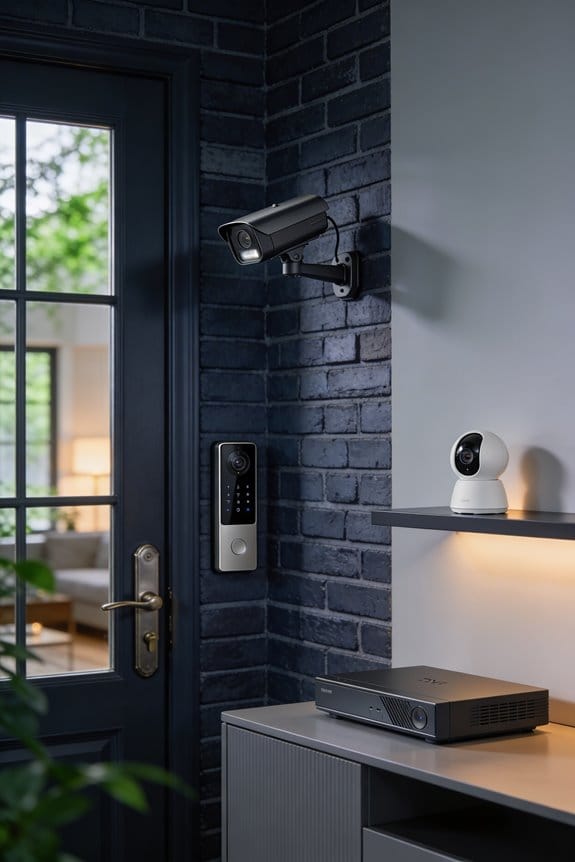
Have you ever caught something suspicious on your security camera and felt the urge to share it online? While it might seem like a good way to help law enforcement crack a case, posting that video on social media can actually hurt the investigation.
Think about it: when you share unverified footage, you’re giving potential suspects a heads-up. They might quickly destroy other evidence, cook up alibis, or even skip town before authorities catch wind of their activities. This isn’t just about one case; it’s about protecting your community. By alerting the bad guys to what the police know, you’re putting their operations at risk.
Law enforcement often needs to control when and how evidence is made public. If evidence gets shared prematurely, it can mess with the chain of custody and affect whether it can be used in court later on. The right move is to reach out to the police directly with your footage. This way, investigators can decide the best time to use it in a way that supports their work instead of jeopardizing it.
So, what can you do? If you capture something suspicious, contact your local police. They’ll guide you on how to share the video safely without jeopardizing the investigation.
Recommended Products

64 CHANNEL SECURITY CAMERA SYSTEM: This system has 48pcs 4K/8MP 2.8mm fixed lens PoE IP cameras with built-in microphone, IP67-rated waterproof for indoor and outdoor use. The 4K 64CH NVR of this system comes with 2X 8TB hard drive. it has 8 SATA port to expand to total 80TB storage space.

64 CHANNEL SECURITY CAMERA SYSTEM: This system has 48pcs 4K/8MP 2.8mm fixed lens PoE IP cameras with built-in microphone, IP67-rated waterproof for indoor and outdoor use. The 4K 64CH NVR of this system comes with 2X 8TB hard drive. it has 8 SATA port to expand to total 80TB storage space.

64 CHANNEL VANDAL-PROOF SECURITY CAMERA SYSTEM: It has 48pcs 5MP 2.8mm fixed lens (Not PTZ) camera produced with IK10 vandal-proof and built-in microphone. The 4K 64CH NVR of this system comes with 2X 8TB hard drive. it has 8 SATA port to expand to total 80TB storage space
What Data-Driven Policing Should Avoid to Prevent Racial Profiling
When police departments start using social media data in their investigations, they’re collecting info that often highlights race, religion, and other personal traits. So, what does this mean for you? It means that data integrity is super important. Here’s the trick: filtering out those protected characteristics from predictive models can help stop any bias from sneaking into policing practices.
Try this: demand that local agencies set up ethical standards. These should clearly prohibit building profiles based on demographic details and instead focus on actual behavior linked to criminal activity. The evidence is pretty clear—Black suspects show up in social media crime posts 138 percent more than their arrest rates, which makes us wonder how algorithms can reinforce old biases.
Effective oversight is key. Police departments should be looking closely at their data sources every three months. This way, social media information can really add value to investigations without sending us back in time to when discrimination was the norm.
Isn’t it time we expect more from the systems that are supposed to protect us? It’s essential to keep the conversation going and advocate for fair practices in data-driven policing.
Recommended Products

Frequently Asked Questions
Should Neighborhood Apps Require Consent Before Posting Security Footage of Suspects?
I believe neighborhood apps should require consent before posting security footage. Without it, we’re creating serious privacy concerns and consent implications that could harm innocent people misidentified as suspects, while undermining trust in community safety efforts.
Can Posting Crime Videos Make You Legally Liable for Defamation?
Walking the tightrope of public safety, I’d warn you that posting crime videos carries serious defamation risks. If you misidentify someone or share unverified footage, you’ll face potential legal consequences including lawsuits for false accusations.
Do Victims Have Rights to Remove Crime Footage Others Post?
Victims don’t have automatic legal rights to remove crime footage others post, but I’ve seen platforms honor victim privacy requests through reporting mechanisms. You’ll need to contact the platform directly and request footage removal under their community guidelines.
Should Platforms Blur Faces in Crime Videos Automatically Before Sharing?
I believe automatic face-blurring should be standard, given that half of U.S. adults get local crime news from social media. Strong consent policies and privacy implications must guide platforms in protecting identities while maintaining public safety awareness.
What Responsibilities Do App Moderators Have for Verifying Crime Posts?
I believe moderators must implement robust verification processes before allowing crime posts to go live. They should confirm basic facts, check sources, and establish moderator accountability standards that prevent misinformation from spreading while protecting both victims and the accused.


