
AI pet trackers have transformed animal monitoring from reactive observation to predictive health analysis by continuously measuring crucial signs, activity patterns, and behavioral data that reveal potential illnesses days or weeks before visible symptoms emerge. I’ve found that smart collars now detect irregular heartbeats with 98% accuracy, monitor sleep cycles against breed-specific norms, and send real-time alerts when pets deviate from baseline patterns, enabling veterinarians to diagnose conditions like arthritis, anxiety, and heart problems during early stages when treatment proves most effective. Below, I’ll explain which devices work best for specific monitoring needs.
Key Takeaways
- AI wearables detect health issues early by monitoring activity, sleep, and vital signs, alerting owners before symptoms become visible.
- Smart collars track pet location with GPS updates every 2-5 seconds and send alerts when pets cross virtual boundaries.
- Advanced algorithms analyze heart rate and movement patterns, detecting irregular heartbeats with up to 98% accuracy for proactive care.
- Veterinarians use tracker data for accurate diagnoses and telemedicine consultations, identifying conditions like arthritis and anxiety earlier.
- Cameras and wearables complement each other, with cameras monitoring behavior passively while wearables provide real-time mobility and health data.
How Pet Tracking AI Predicts Illness Before Symptoms Appear?
Have you ever wished you could tell when your furry friend was feeling under the weather, even before they show any signs? Well, AI-powered pet wearables are here to help you with that. When your pet’s behavior starts to shift, even just a little, these devices can raise a flag about possible health issues—sometimes days or even weeks before you notice anything off.
Take a look at products like the Satellai Collar Go and PetPace. They monitor shifts in your pet’s activity level, sleep patterns, and vital signs to catch changes that often fly under the radar. For instance, what if your dog usually hits around 12,000 steps a day, but suddenly you’re only seeing 9,500 steps for three days straight—without any change in eating habits? That drop could be an early sign of joint issues or heart problems, and these smart collars will alert you to that.
These advanced systems are going through thousands of data points every hour. They compare your pet’s current behavior to breed-specific norms and your pet’s prior trends. The best part? They send real-time alerts to you and your vet so you can take action before things worsen.
So, why does this matter? By catching health issues early, you can ensure your pet gets the care they need sooner rather than later. It’s comforting to know that technology can act as an extra set of eyes on your pooch’s health.
In the grand scheme of things, keeping an eye on your pet’s health can be a lot easier with these advanced wearables. Isn’t it nice to have a little extra help in keeping your furry friend happy and healthy?
Recommended Products
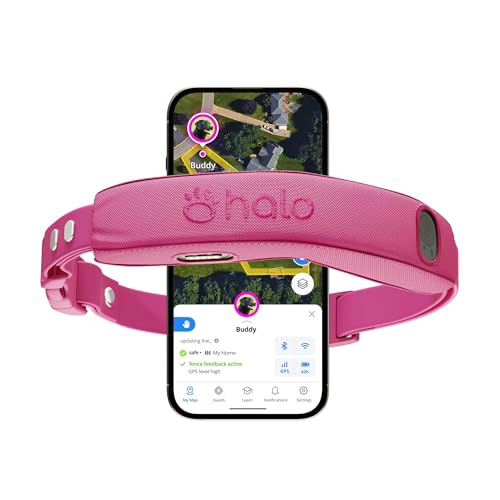
Halo Collar 5 Powered by Precision+: No other wireless dog fence combines dual-frequency L1 and L5 satellites with real-time ground-station corrections. A global network of ground stations sends real-time corrections to your Halo Collar, delivering GPS accuracy within 2 feet of your dog's actual location. Dual-frequency GPS, drift prevention, and proprietary AI obstacle filtering do the rest.

24/7 ADVANCED DOG HEALTH MONITORING – Tracks heart rate, breathing, temperature, pulse, activity, sleep, and HRV every 2 minutes with medical-grade accuracy. AI detects subtle signs of illness, pain, stress, or discomfort to support proactive wellness. Ideal for aging dogs, post-surgery recovery, or pets with chronic conditions.
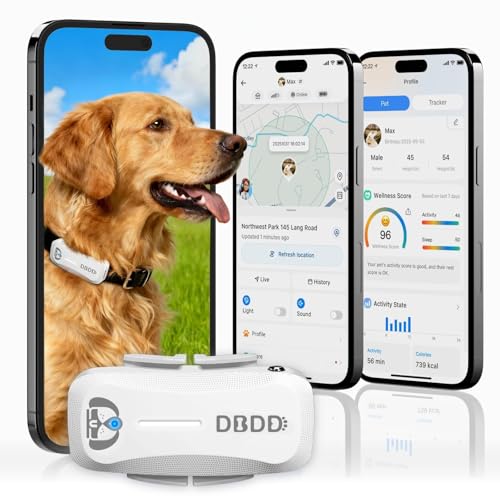
DBDD Tracker Series 3+: NEXT-GEN GPS TRACKER: REAL-TIME LOCATION & HISTORY Pinpoint your dog's exact location in real-time, with no distance limits. Our highly advanced GPS in the DBDD Collar Series 3+ provides accuracy and a detailed activity history, so you'll always know where they are and where they've been.
What GPS Collars and Wearables Actually Monitor in Real Time?

Modern GPS collars and wearables can keep you in the loop about your pet’s well-being in real time by tracking five key categories: location, activity, vital signs, behavior, and even environmental conditions.
Location and Movement Data
Have you ever worried about your furry friend wandering off? With GPS-enabled devices like the Fi Series 3+ and Tractive, you can get precise location coordinates with an accuracy of about 10 feet. These devices update your pet’s location every 2-5 seconds while in active tracking mode. Plus, virtual fencing lets you set boundaries, and you’ll receive instant alerts if those boundaries are crossed. So, if your pet decides to sneak out, you’ll know right away.
Physiological and Behavioral Monitoring
What if you could keep tabs on your pet’s health without constant vet visits? Wearable sensors in these collars measure important health metrics, such as heart rate variability, respiratory patterns, and sleep cycles (you’ll learn if they’re in REM or light sleep). They also track calorie expenditure and how often your pet scratches. For example, devices like PetPace can detect irregular heartbeats with an impressive 98% accuracy, sending real-time data straight to your vet.
Here’s the trick: Artificial intelligence algorithms analyze tiny movements to catch signs of lethargy, excessive licking, or posture changes, often before serious symptoms even arise. This data can actually notify you about potential health issues 24-72 hours in advance. So, why does this matter? Catching problems early can make a big difference in your pet’s quality of life.
The best part is these gadgets keep you connected with your pet even when you can’t be there. No more worrying if they’re active or if they’re in distress—these smart collars provide peace of mind.
Recommended Products

Effortlessly Track And Train Your Pack With The Garmin Alpha 300i Handheld Training and Tracking, Monitor Up To 20 Dogs Using Compatible Collars, With A Range Of Up To 9 Miles. Get Vital Hunt Metrics Like Distance, Speed, And Time On The Dog Info Screen. Receive Real-time Alerts For "treed" Or "on Point" Dogs, Improving Your Hunting. Organize Hunts By Grouping Dogs And People. Store Info For 250 Dogs For Seamless Collar Switching In The Field.

Effortlessly Track And Train Your Pack With The Garmin Alpha 300i Handheld Training and Tracking, Monitor Up To 20 Dogs Using Compatible Collars, With A Range Of Up To 9 Miles. Get Vital Hunt Metrics Like Distance, Speed, And Time On The Dog Info Screen. Receive Real-time Alerts For "treed" Or "on Point" Dogs, Improving Your Hunting. Organize Hunts By Grouping Dogs And People. Store Info For 250 Dogs For Seamless Collar Switching In The Field.

Effortlessly Track And Train Your Pack With The Garmin Alpha 300i Handheld Training and Tracking, Monitor Up To 20 Dogs Using Compatible Collars, With A Range Of Up To 9 Miles. Get Vital Hunt Metrics Like Distance, Speed, And Time On The Dog Info Screen. Receive Real-time Alerts For "treed" Or "on Point" Dogs, Improving Your Hunting. Organize Hunts By Grouping Dogs And People. Store Info For 250 Dogs For Seamless Collar Switching In The Field.
What Pet Trackers Miss: Subtle Signs Only Humans Catch?

Why do even the most advanced pet trackers struggle to detect the warning signs that an experienced pet owner notices instantly?
Smart collars might be great at crunching numbers like step counts or tracking where your pet is at any moment, but they fall short when it comes to picking up on the smaller things. Have you ever noticed how your dog’s gait changes when he’s in pain, or how your cat seems less keen to jump up on the couch? Those subtle shifts in movement, posture changes, and even facial expressions matter, and they’re things these gadgets can’t detect.
Think about it—things like reluctance to walk up stairs or avoiding playtime aren’t going to show up on a screen. The tracker won’t pick up on your pet’s grooming habits changing or even how their ears or tail are positioned. Those little signs are your clues that something might be off, and only you can catch those changes.
So, why does this matter? It all comes down to understanding your pet’s emotional state. While tech can do a decent job with basic stats, recognizing anxiety during thunderstorms or how your dog seeks comfort when stressed is something only you can really see. Frankly, you’re in the best position to notice these nuances, so make sure you’re assessing your pet regularly, even if you have a smart collar keeping track of their movement.
Try this: set aside a few minutes each week to really observe your pet. Look for changes in their behavior, and take note of anything that seems off. This way, you’ll be able to combine those automated metrics with your personal observations to keep your furry friend healthy and happy.
In short, while pet trackers are great for data, they shouldn’t replace your own watchful eye on your pet’s well-being. Are you ready to pay more attention to your pet’s unspoken signs?
How Vets Use Tracker Data to Diagnose Problems Between Visits?
Have you ever noticed something off about your pet but couldn’t quite put your finger on it? You’re not alone. Many pet owners sense when something isn’t right, but figuring out the details can be tricky. That’s where pet trackers come in. While your observations catch what the sensors might miss, the real magic happens when that data lands in your veterinarian’s hands.
With the rise of tech-savvy vets, the way we gather and interpret pet health data has changed. It’s not just about those casual visits anymore—the detailed information from trackers can lead to better diagnoses between appointments. Think about it: your vet can look at activity graphs, sleep patterns, and heart rate trends to pinpoint issues like arthritis (less movement), anxiety (sleep troubles), or even heart problems (strange rhythms). So, why does this matter? Well, it could mean catching conditions 2-3 weeks earlier than waiting for traditional symptom reporting to kick in.
Devices like PetPace are also making it easier for vets to check in on chronic conditions without needing a trip to the office. You can share the tracking data during telemedicine consultations, giving your veterinarian a broader view of your pet’s health over time. This can be especially helpful because those quick checks at the vet’s office often miss the full picture.
Frankly, keeping a close eye on your pet’s health data adds a layer of support that can really make a difference. So, next time you’re tempted to shrug off a subtle change in your pet’s behavior, remember that there’s technology out there that can help bridge the gap between vet visits. It’s about staying ahead of potential issues and ensuring your furry friend stays healthy and happy.
In the end, using these tracking devices lets both you and your vet keep a close watch on your pet’s well-being. It’s an easier way to share insights and make sure those small signs don’t go unnoticed. How can you start tracking? Consider looking into which device would fit your pet’s needs best!
Petcube Cameras vs. Smart Collars: Which Monitors Your Pet Best at Home?
How do you pick between a stationary camera and a wearable tracker for keeping tabs on your pet? The answer really depends on what you want to monitor. If you’re mainly interested in watching how your furry friend behaves at home, Petcube features are fantastic. These cameras offer real-time video streams, AI alerts for barking or meowing, two-way audio, and even night vision. They’re perfect for understanding your pet’s environment and figuring out how they interact with it.
On the other hand, if you’re after something that tracks location and monitors your pet’s health, smart collars are the way to go. These devices shine with GPS tracking, activity metrics, sleep cycles, and even health warnings based on your pet’s heart rate and movement patterns. For example, collars like Fi Series 3+ or Tractive can really help you keep your pet safe and healthy.
So, what’s more important to you? Visual confirmation of stress at home, or constant tracking and health insights? When it comes to being aware of potential stress triggers, separation anxiety, or dangers in your house, a Petcube camera provides context that a collar simply can’t give you with sensors alone.
If you want to keep an eye on their daily antics and well-being from your couch, the camera’s got you covered. But if your main concern is where they are and how they’re feeling overall, the smart collar might be the better pick. What do you think you’d find more useful for your peace of mind?
Recommended Products

Features sunlight-readable 3.5” capacitive touchscreen display and a button-operated, dog-focused design for quick, minor adjustments

ALL-IN-ONE HEALTH & GPS TRACKING: Maximize your pet's safety with real-time 4G LTE GPS monitoring. Our smart collar tracks precise location, heart rate, and respiration reference values 24/7. Access comprehensive daily activity logs and biometrics via the app to fully understand your furry friend's baseline health metrics.
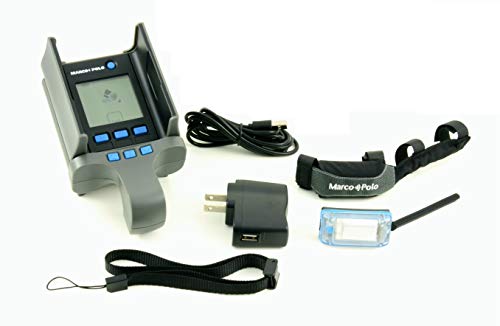
Works anywhere, totally self-contained, no GPS or cell network required, no monthly service contracts, ideal for traveling with your pets
Fi Series 3 vs. Tractive vs. PetPace: Matching Features to Your Pet’s Needs
When it comes to choosing a smart collar for your pet, the options can feel overwhelming. With prices ranging from $100 to $200, it’s important to know which features really matter for your furry friend. Think about your pet’s lifestyle. Does your dog love to explore the outdoors? If so, the Fi Series 3 might be a great fit. It boasts an impressive battery life of up to three months and provides escape alerts, making it perfect for any adventurous pups.
On the other hand, if you’re watching your budget, Tractive could be worth considering. It offers real-time virtual fencing and has a lower monthly subscription cost at just $5. This makes it a solid choice for those looking to keep an eye on their pets without breaking the bank.
Then there’s PetPace which focuses on health monitoring. This collar tracks things like irregular heartbeats and other vital signs that are essential for vet visits. If you’re concerned about your pet’s health or have an older dog, this might be the best option for you.
Before you commit, take a moment to look at user reviews specifically for durability issues. You want a device that can withstand your pet’s lifestyle. And remember, it’s all about matching the collar’s features to your pet’s particular health risks rather than just getting the latest gadgets that might not serve a real purpose.
In the end, picking the right smart collar boils down to your pet’s needs. What features do you think would help you keep your pet safe and healthy?
Recommended Products

Individualized Meal Access for 3 Cats: This Petlibro 3-pack set provides exclusive feeding solutions for each of your cats. Every auto cat feeder identifies your cat via a lightweight RFID collar tag sensor and unlocks only for the designated pet. (Only supports the included RFID collar tag.) Adjust the lid speed to suit your cat's comfort level.

1/2 Acre Of Circular Coverage: The adjustable circular range can cover up to 1/2 acres from the placement of the portable indoor transmitter, and can be expanded further with purchase of an additional transmitter

GPS Wireless Dog Fence with No Monthly Fee: Create circular or polygonal virtual fences using free App, adjustable range from 82 to 7000 feet (up to 3534 acres), no wires or subscription required. Supports real-time tracking within Bluetooth range ≤98 feet in open outdoor areas for strong GPS signal. Black collar with matte finish and adjustable strap.
Do AI Pet Trackers Work for Cats or Just Dogs?
After you’ve figured out the right tracker for your lifestyle, it’s important to remember that tracking cats and dogs involves different strategies. Their behaviors, sizes, and how they move around are pretty distinct.
Weight and Collar Tolerance
Cats are often sensitive creatures when it comes to what they wear around their necks. They can usually handle collars that weigh only about 0.5 to 1.5 ounces, while dogs can manage a bit more, typically 1 to 3 ounces. If you’re looking for trackers, check out options like Tractive’s 0.95 oz Cat Mini or the Invoxia Minitailz, which weigh in at 0.6 oz—both are designed with your feline friend’s comfort in mind.
Cat Behavior Monitoring Challenges****
Tracking your cat’s behavior can be tricky. Unlike dogs, cats don’t always show they’re unwell right away—they instinctively hide any signs of illness. Add to that the fact that they can snooze for 12 to 16 hours a day and don’t roam as far outdoors, and it becomes clear why monitoring them is a little more complicated.
So, why does this matter? AI algorithms can struggle to interpret subtle signs of distress, like when your cat stops grooming itself or avoids the litter box. That’s why having a human touch is crucial. You’ll need to keep an eye on your cat for those behaviors that a tracker might miss, even if it’s pretty smart at pattern recognition.
Recommended Products

Effortlessly Track And Train Your Pack With The Garmin Alpha 300i Handheld Training and Tracking, Monitor Up To 20 Dogs Using Compatible Collars, With A Range Of Up To 9 Miles. Get Vital Hunt Metrics Like Distance, Speed, And Time On The Dog Info Screen. Receive Real-time Alerts For "treed" Or "on Point" Dogs, Improving Your Hunting. Organize Hunts By Grouping Dogs And People. Store Info For 250 Dogs For Seamless Collar Switching In The Field.

Effortlessly Track And Train Your Pack With The Garmin Alpha 300i Handheld Training and Tracking, Monitor Up To 20 Dogs Using Compatible Collars, With A Range Of Up To 9 Miles. Get Vital Hunt Metrics Like Distance, Speed, And Time On The Dog Info Screen. Receive Real-time Alerts For "treed" Or "on Point" Dogs, Improving Your Hunting. Organize Hunts By Grouping Dogs And People. Store Info For 250 Dogs For Seamless Collar Switching In The Field.

Crisp high-resolution 10” touchscreen display; view in portrait or landscape mode
Frequently Asked Questions
How Much Do AI Pet Tracking Devices Typically Cost per Month?
I’ve found that monthly subscription fees are surprisingly affordable at just $5-$15, though device pricing ranges from $50-$300 upfront. It’s honestly a game-changer for tracking your pet’s health and location 24/7.
Can Pet Tracking AI Work Without Wifi or Cellular Service?
Most GPS pet trackers need cellular service to transmit location data to your phone. However, I’ve found some devices offer limited offline functionality through Bluetooth or use alternative technologies like radio frequency for short-range tracking without connectivity.
Are Pet Tracking Collars Waterproof for Swimming and Bathing?
Most modern pet tracking collars boast waterproof features rated IP67 or higher, so they’ll survive epic splashes during swimming safety adventures and bath time chaos. I’d still verify each brand’s depth and submersion limits before your pup dives in!
How Long Do Batteries Last on GPS Pet Tracking Collars?
GPS pet tracking collar battery lifespan typically ranges from 1-3 months depending on usage intensity. I’ve found that frequent location pings reduce battery life, while less active tracking mode extends it without compromising tracking accuracy for your pet’s safety.
Do Insurance Companies Offer Discounts for Using Pet Tracking Devices?
Ironically, while tracking technology promises to prevent costly emergencies, most pet insurers don’t yet offer discounts for using these devices. I’ve found only a handful piloting programs that reward proactive monitoring with reduced premiums—it’s still emerging territory.