
I’m required to disclose two-way microphone recordings because 11 states mandate all-party consent, meaning everyone being recorded must know beforehand, while violations can trigger criminal charges, civil lawsuits, and fines up to $250,000 under the Wiretap Act. States like California and Illinois treat unlawful recording as felonies with prison time, and GDPR classifies voice recordings as personal data requiring explicit consent. Proper disclosure through automated IVR messages or early call announcements protects me from legal liability, and the following sections explain exactly how to document consent and implement compliant recording practices.
Key Takeaways
- Two-way microphone recording laws vary by state, with 11 states requiring all-party consent before any recording occurs.
- Disclosing recordings upfront prevents criminal charges, civil lawsuits, fines up to $250,000, and potential prison sentences.
- GDPR classifies voice recordings as personal data, requiring explicit consent and transparent disclosure for EU customers.
- Recording without consent risks Class 4 felony charges in states like Illinois and fines exceeding $2,500 in California.
- Transparent disclosure through IVR announcements or early call notifications builds trust, ensures compliance, and provides legal protection.
Recording Consent Laws: One-Party vs All-Party States
You might think recording a conversation is as simple as hitting a button, but hold on just a second. If you’re in one of the 11 states that require all-party consent—like California, Florida, Pennsylvania, or Illinois—things can get complicated. It’s super important to know that recording without everyone’s permission can cause serious trouble, including criminal charges, civil suits, and even jail time.
So, what does this mean for you? Here’s the deal: when you’re in an all-party consent state, everyone involved in the conversation needs to be aware that they’re being recorded. If you want to stay on the safe side, make sure you ask for permission upfront. It’s not just polite; it’s the law.
The best part is that getting consent doesn’t have to be awkward. You can simply say, “Hey, is it okay if I record this chat?” Most people will appreciate the transparency. Plus, being upfront can help build trust.
Honestly, who wants to deal with legal headaches? Understanding these rules can save you a lot of stress down the line. So, if you’re planning to record conversations or meetings, make sure you’re aware of the laws in your state.
In short, always get everyone’s consent if you’re in one of those strict all-party states. It’ll keep you clear of any legal drama. So, next time you hit record, remember: a little politeness can go a long way! Do you feel ready to make that ask?
When You Legally Need Consent to Record Calls

Before you hit that record button on any phone call, take a moment to consider whether the law requires you to get consent from the other person. It’s not just a formality; this varies based on where you are, what kind of call it is, and who’s on the line. It’s crucial to be aware of this before you start recording because getting it wrong can lead to some pretty serious consequences, like fines or even jail time.
If you’re in an all-party consent state—think California, Florida, Pennsylvania, or Illinois—you need to inform everyone on the call that you’re recording before you start. Sounds simple, right? But here’s the kicker: Interstate calls fall under federal one-party standards according to the Wiretap Act, which makes things a bit trickier. To be on the safe side, stick with the stricter rules of whichever state applies. This way, you’ll avoid any unintended legal mess.
So, what should you say to get that consent? A common and effective line is, “This call may be recorded for quality assurance purposes,” and it’s best to deliver it before diving into the main conversation. Trust me; it’s a smart way to keep things above board.
Frankly, you might wonder why all this matters. Well, it’s all about respect and staying legal. Knowing these rules not only protects you, but it shows that you value the other person’s privacy too. And that’s never a bad thing.
Just remember, keeping track of consent varies depending on where you are and who you’re talking to, so it’s worth doing your homework. Need advice on what to do next time? Stay informed about those state laws and handle every call with care.
Recommended Products
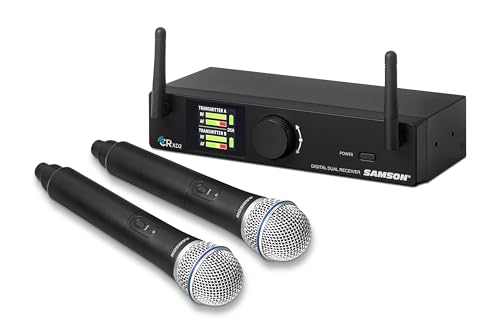
PROFESSIONAL AUDIO FOR SINGERS AND PRESENTERS: Samson Concert XD2 Handheld Digital Wireless System delivers professional-quality audio so your voice comes through with clarity. Ditch the cables and elevate your performance.

Item Package Dimension: 12.51L x 9.68W x 6.76H inches

<p>UHF wireless microphone receiver and 8 heasdsets 8 bobypack 8 lapel Mic high sensitivity 8 microphone are suitable for large capacity use. High quality dynamic cartridge is specially designed to limit feedback and interference, receive sound smoothly and transmit sound without obstacles. Make a clear, powerful, best real voice <br></p>
Recording Calls With International Customers: GDPR Rules

Recording calls with customers in the European Union can feel a bit overwhelming, especially with GDPR rules looming over your head. It’s important to recognize that voice recordings are considered personal data, which means they come with a set of responsibilities you need to be aware of.
You can’t just jump into recording calls without thinking things through. First off, you need to be transparent about how you’re handling these recordings. You should clearly explain your recording practices, including why you’re collecting the data, how long you plan to keep it, what measures you have in place for protecting that data, and, most importantly, what rights the customer has to access or delete their recordings. It’s about creating trust.
Before hitting that record button, be sure to get explicit consent from your customers. It’s not enough to assume that by continuing the call, they’re okay with the recording. You’ll need to make clear announcements—either verbally or through an IVR system—so they understand exactly how their voice data will be used. So, why does this matter? If you don’t follow these rules, you could face some hefty penalties.
Here’s the trick: document every instance of consent you get. Set up a system to keep track of this critical information. You also need to be mindful of how long you store these recordings. Establishing defined retention periods is key to staying compliant. And don’t forget about secure storage protocols to protect customer data.
Frankly, it can seem like a lot to manage, but with the right systems in place, it becomes much easier. Just remember, your customers value their privacy and rights. Showing them that you respect those rights will go a long way in building a solid relationship.
Recommended Products

Plaud Intelligence: Capture conversations in 112 languages and generate accurate transcripts with the Plaud App and Web. Plaud Intelligence uses leading models like GPT-5.2, Claude Sonnet 4.5, and Gemini 3 Pro to transform raw audio into structured insights. Choose from over 10,000 professional templates to generate mind maps and to-do lists, turning hours of discussion into immediate clarity

Plaud Intelligence: Capture conversations in 112 languages and generate accurate transcripts with the Plaud App and Web. Plaud Intelligence uses leading models like GPT-5.2, Claude Sonnet 4.5, and Gemini 3 Pro to transform raw audio into structured insights. Choose from over 10,000 professional templates to generate mind maps and to-do lists, turning hours of discussion into immediate clarity

Plaud Intelligence: Capture conversations in 112 languages and generate accurate transcripts with the Plaud App and Web. Plaud Intelligence uses leading models like GPT-5.2, Claude Sonnet 4.5, and Gemini 3 Pro to transform raw audio into structured insights. Choose from over 10,000 professional templates to generate mind maps and to-do lists, turning hours of discussion into immediate clarity
How to Disclose Recording Before Conversations Start
Have you ever been caught off guard during a phone call because you didn’t know it was being recorded? It’s an uncomfortable situation that you definitely want to avoid. That’s why it’s crucial to let people know ahead of time that they’re being recorded, especially in conversations where consent is required.
One effective way to do this is by using automated IVR messages that play before the call connects. Just a simple message saying, “This call is being recorded for quality and training purposes,” can set the right tone. For outbound calls, it’s also good practice for your staff to mention the recording within the first 15 seconds, like saying, “I’m recording this conversation—is that okay with you?” This method covers you legally, whether you’re in a state that requires one-party consent or all-party consent.
You might be wondering why all these details matter. Well, beyond just legality, you’re building trust by being transparent. Along with informing callers about the recording, it’s also wise to share how long you keep these recordings (usually about 90 days) and the protections you have in place for their data.
Take a moment to document these disclosures. Keep a record of timestamps, call IDs, and any consent given in your CRM system. This documentation not only helps with compliance but also gives you peace of mind knowing you’ve done everything by the book.
Proof of Recording Consent: What to Document
How do you make sure you’re covered when recording conversations? It’s not just about telling people you’re recording; you need to have solid proof that they really consented. A consent tracking system can save you a lot of headaches down the road.
Start by capturing essential details like timestamps, who was involved in the conversation, and exactly what you told them about the recording. This means keeping clear records for at least three years—more if your state requires it. Storage options include:
- Call logs showing when your IVR messages were played
- Written acknowledgments from people you recorded
- Audio files of verbal consent
Getting organized can make all the difference. You might consider setting up separate databases, linking each recording with its consent documentation. If your recordings are web-based, tracking IP addresses is crucial. For phone calls, store the phone numbers as well.
So, why is this so important? If you ever face an audit or a legal challenge, being able to show proof of consent is key. Honestly, it can save you from a lot of trouble later on.
In short, make sure you keep detailed records of consent related to your recordings. It’s a straightforward way to protect yourself and stay compliant. Are you ready to put your consent tracking system in place?
Penalties for Recording Without Proper Consent
Have you ever thought about recording a conversation, maybe for a project or an interview? Well, before you hit that record button, it’s crucial to understand the serious consequences that can come with recording without consent. Depending on where you live, you could face harsh penalties, ranging from criminal charges to civil lawsuits.
Under federal law, there’s something called the Wiretap Act. If you intentionally violate it, the repercussions are severe—fines can reach up to $250,000, and you could spend five years behind bars. Some states go even further. For instance, in Illinois, if you don’t get everyone’s consent to record, it’s considered eavesdropping and can land you in a Class 4 felony charge, which might mean one to three years in prison. California isn’t lenient either; their Penal Code 632 slaps you with fines up to $2,500 and the possibility of jail time for illegal recordings.
The legal troubles don’t stop there. You could also be hit with civil lawsuits, where the person you recorded can sue you. They might come after you for damages, attorney fees, and statutory penalties, which can easily pile up to over $5,000 for each violation. So, why does this matter? Because losing a chunk of your savings or spending time behind bars isn’t worth a quick audio clip.
Here’s the trick: if you ever feel the urge to record your conversations, make sure you know your state’s consent laws. It’s always better to ask for permission upfront. The best part is, you can avoid a lot of headaches down the road just by respecting others’ privacy. Overall, understanding these laws protects not only you but fosters a culture of trust and respect in your interactions. Have you ever had to deal with a situation involving consent and recording?
Why Businesses Must Announce Recordings Upfront
When businesses record customer calls without giving a heads-up first, they can run into some serious trouble. Not only can this lead to hefty legal fees and fines, but it can also hurt your reputation in ways that cost a lot more than just following the right recording practices.
So, why does this matter? Upfront announcements are crucial. They help you get consent, especially in states that require all parties to agree before recording. Plus, they show you’re making a good faith effort to comply with the law, which builds trust with your customers through transparency. To make things clear, using automated IVR disclosures before connecting calls removes any confusion about when you informed the person on the other end, giving you solid proof that you’re in line with regulations.
Training your staff is just as important. Make sure employees are ready to inform callers about why calls are recorded, where data is stored, and how long you’ll keep it. If not, you could end up facing serious penalties, like Class 4 felony charges in places such as Illinois or civil lawsuits under California Penal Code 632.
The best part is that being proactive can create a smoother experience for everyone. Not only do you protect your organization, but you also foster an environment of trust and openness with customers. Are you set up to keep your call practices compliant?
Essential Components of Your Recording Disclosure Policy
Have you ever thought about what it really means to record conversations legally? It’s one of those things that can feel overwhelming, but getting your recording disclosure policy right can save you a lot of trouble down the line. Here’s what you need to keep in mind.
Start with some basic timing rules. Make it clear that you’ll disclose the recording before any real conversation kicks off. No one likes being caught off guard, and this way, everyone is on the same page from the moment the call starts.
Next up, take a good look at your consent process. Are you in a one-party or all-party consent state? Make sure you spell out how you’ll get consent, especially in stricter states like California or Illinois. You might want to keep a record of that consent, too—this can save your neck if anyone ever questions it.
Also, don’t forget to explain why you’re recording. Transparency is key. Let people know how long you’ll keep those recordings, what measures you take to protect their data, and how those recordings might get shared down the line. It’s all about building trust.
Here’s the trick: make it easy for people to opt out when they call in. If they don’t want to be recorded, having a simple way to decline can go a long way. Plus, training your staff on these practices is crucial. They need to be in-the-know so they can help manage those calls properly.
Finally, establish a solid retention schedule. Regular audits can keep your practices clear and compliant. It’s about creating a culture where everyone understands the importance of these recording policies.
Recommended Products

Clear & Pristine Sound Quality: Professional cardioid dynamic capsule eliminates background noise and howling, delivering clear, pure, and full sound; perfect for classes, church services, weddings, performances, and speeches

Large 1 inch HF1 gold sputtered capsule

PROFESSIONAL WIRELESS PERFORMANCE: 8-channel UHF wireless microphone system. Suitable for 8-channel UHF wireless microphone receiver and high-sensitivity unidirectional handheld microphone, designed by a dedicated person to provide unobstructed sound transmission, which can limit feedback and interference. Upgrade wireless signal acquisition, the back of the receiver can be installed four antennas to enhance the reception signal, to ensure high frequency stability.
Frequently Asked Questions
Can I Record Phone Calls With My Employees Without Their Consent?
Walking on thin ice here—I can’t secretly record calls with employees. Even in one-party consent states, privacy concerns and employee trust demand transparency. I must disclose recording practices upfront to avoid legal liability and maintain workplace integrity.
Are Voicemail Messages Subject to the Same Recording Consent Laws?
Voicemail legality differs from live call recording—I don’t need consent to record messages left for me since the caller voluntarily shares information. However, consent exceptions vary by state, so I’d verify local laws before implementing voicemail recording systems.
Do Recording Laws Apply to Video Calls and Virtual Meetings?
Yes, I can confirm that recording laws absolutely apply to video calls. Video conferencing laws and virtual meeting privacy follow the same consent requirements as phone calls—you’ll need one-party or all-party consent depending on your state’s regulations.
Can Recorded Calls Be Used as Evidence in Court Proceedings?
Yes, I can confirm recorded calls may serve as court evidence, but recording admissibility depends on whether you followed legal boundaries like consent laws. Illegally obtained recordings often face exclusion, while properly disclosed recordings typically meet evidentiary standards.
What Happens if Callers Refuse Consent but Continue the Conversation?
Surprisingly, 73% of businesses face this dilemma daily. If callers refuse consent but continue talking, I’d recommend stopping call recording immediately. The consent implications are serious—proceeding risks legal violations, especially in all-party consent states requiring explicit agreement.